
Outdoor Activities
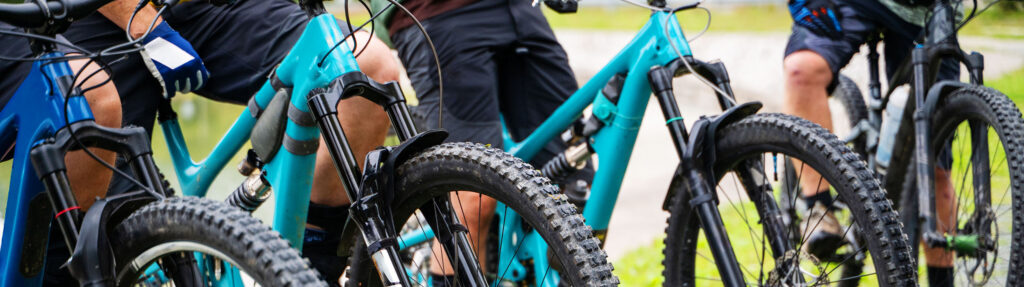
The Ivrea Morainic Amphitheater offers a wealth of opportunities for outdoor activities. And more and more people, whether professional athletes or simply enthusiastic amateurs, are choosing this remarkable setting for walking, running, cycling, rowing, swimming, and flying. Below are some of the many opportunities the Ivrea Morainic Amphitheater offers for sport and movement in nature, surrounded by an enchanting landscape.
Other figures of the Parade
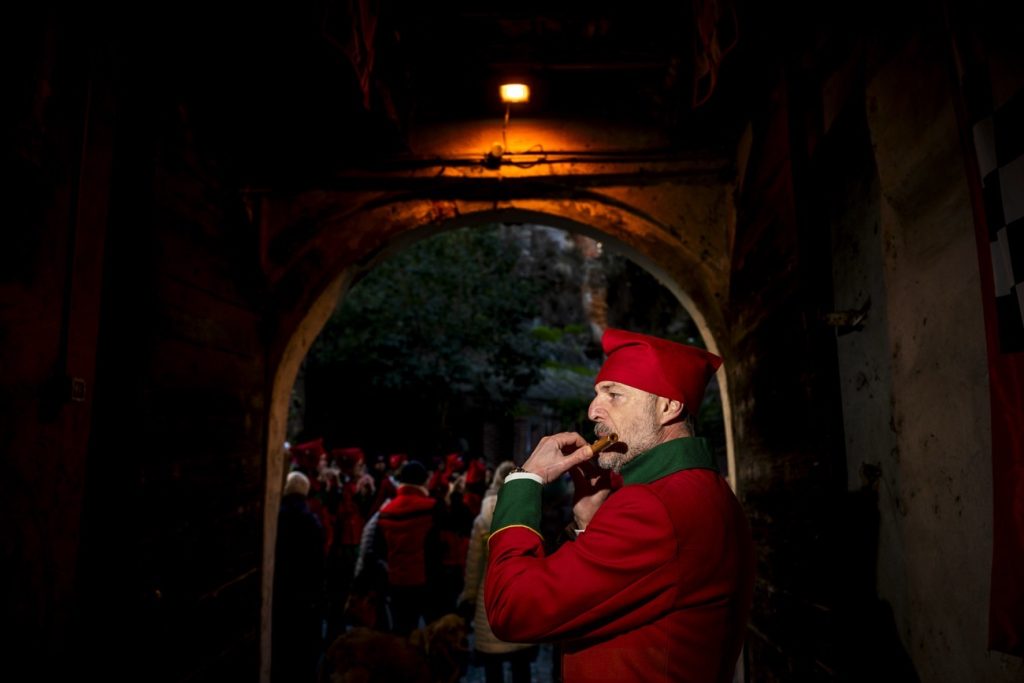
Understanding the Ivrea Carnival means recognizing the importance of each of its elements: traditions, symbols, and customs that have evolved over time and have been codified into a ceremonial tradition repeated for more than two centuries. Alongside the main characters, several historic groups help bring the parade to life: the “Pifferi e Tamburi”, the “Stato Maggiore”, the “Scorta d’Onore della Mugnaia”, and the “Alfieri”.
Eating and drinking during Carnival
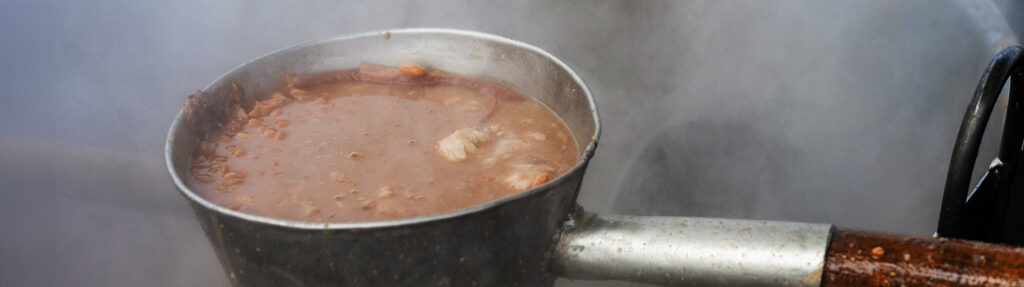
The Historic Ivrea Carnival is rooted in a rich tapestry of rituals and traditions that have strengthened the sense of community for centuries, with food forming an integral part of this cultural heritage. From the Sundays leading up to Carnival to the days of the celebration itself, long-established culinary traditions and the lively food initiatives organised by the Aranceri come together to offer everyone a true journey through the history, culture and spirit of the local area.
Eating and Drinking
The Great Invasion
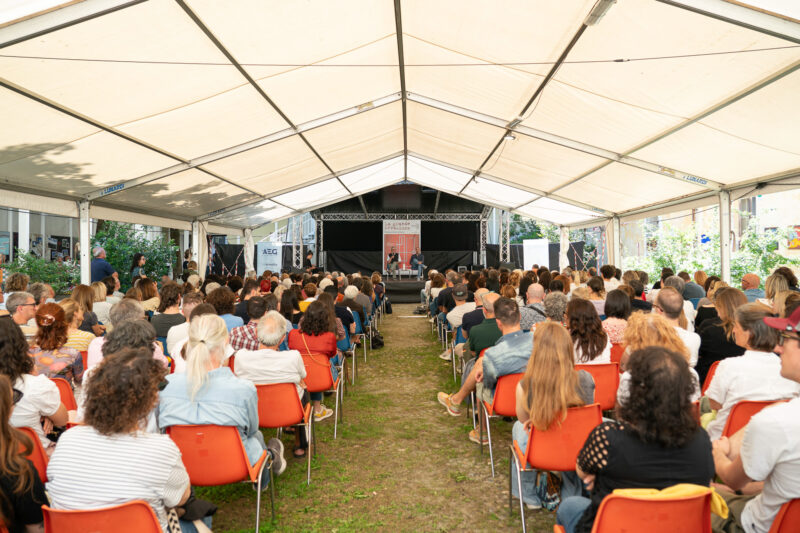
The Great Invasion is Ivrea’s reading festival, born in 2013. Every year, between May and June, it brings to the city a great many of the finest Italian and international writers, transforming it: from the centre to the outskirts, every corner is reinvented in a festive atmosphere where the real protagonist, even before literature itself, is the joy of reading.
Via Palestro and the origins of Ivrea
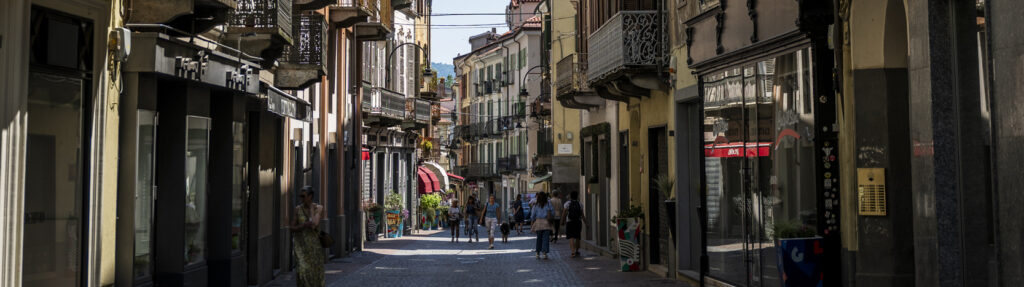
Together with Via Arduino, the decumanus maximus of ancient Eporedia, Via Palestro embodies two thousand years of history. Each era of Ivrea was built upon the one before it, giving the city a distinctly “vertical” identity, layer upon layer of history. A walk through its streets reveals a city that is at once intimate and grand, enclosed and open, ancient and contemporary, devout and independent.
Remains of the roman Theatre
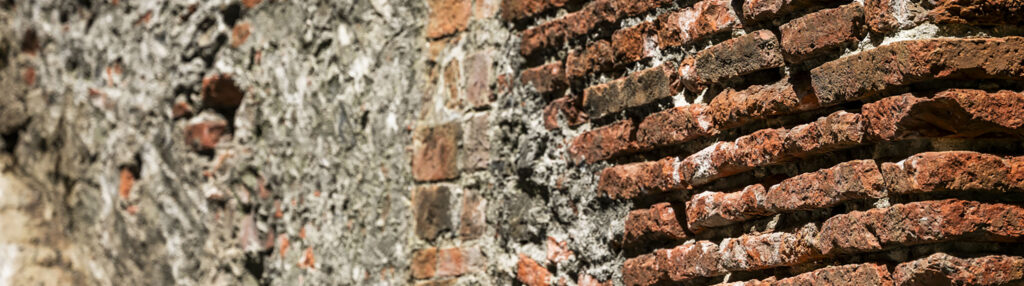
These streets slope and follow a gentle curve: they were laid out over the seating tiers of an ancient theatre, now almost entirely vanished, yet they still preserve its outline. And at eye level, on the brick buttress resting against the rock, there is even the imprint of a hand. The performance is over. But what could be more theatrical?
Roman amphitheater
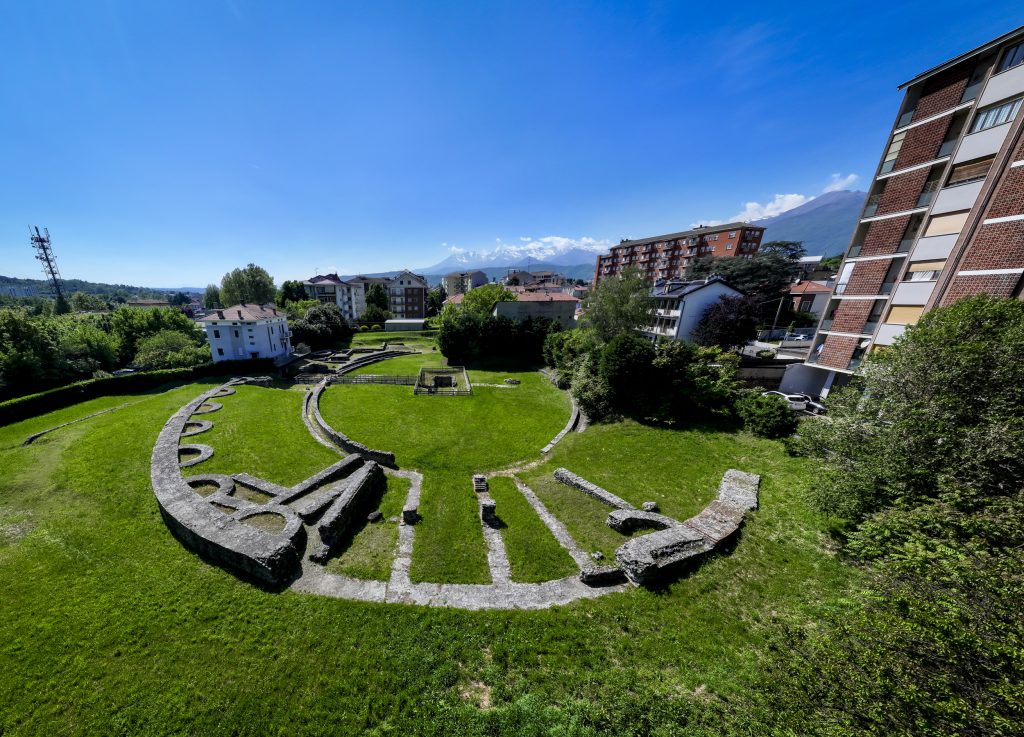
Many traces of Eporedia remain, but this is its most magnificent. From here it is easy to imagine the magnificence of the building, with the city rising in the background. Less easy is to understand the crowd’s appetite for the blood that once stained the arena. Up there lies the “Sleeping Beauty”: though perhaps she is not asleep at all; perhaps she has simply closed her eyes2 rather than witness it.
Pons Maior and the River Port
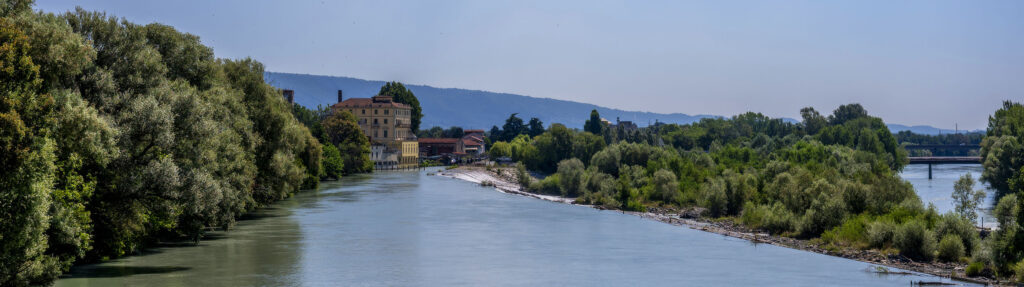
An ancient story that today almost feels like a fairy tale. Water made it possible, water erased it, and water brought it back to light. It could hardly have been otherwise for a river city. It tells the story of one of the greatest river ports of its time and of a magnificent bridge that challenged the Dora at its most formidable.
Cathedral of Santa Maria Assunta
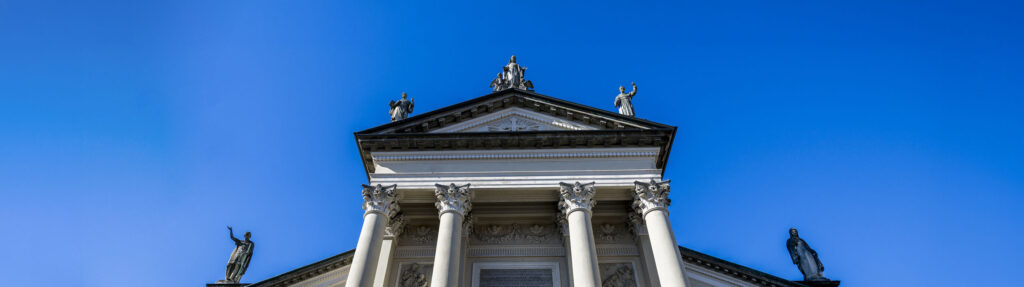
Ivrea’s Cathedral is also a monument to renewal. Having endured the passage of centuries, it tells their story almost one by one: from a pagan temple to an early Christian basilica and finally to the city’s cathedral, it preserves a Roman sarcophagus, a medieval crypt, the relics of the city’s patron saint, Romanesque bell towers, modern artworks, Baroque influences and a Neoclassical façade.